
If you’re shopping for a dependable everyday sedan, the Hyundai Elantra keeps coming up — and for good reason. Here at Hyundai Lake Country in Oconomowoc, WI, one of the most common questions we hear from shoppers is: “Just how long do Elantras last?” The short answer is a long time — but let’s unpack what that really means and what it takes to make it happen.
Most Hyundai Elantras are built to reach 200,000 miles with proper care, and plenty of owners push well past that mark. That’s roughly 13–15 years of driving for the average American motorist — solid value for a compact sedan in this price range.
To understand “How many miles will a Hyundai Elantra last?” it helps to look under the hood and at Hyundai’s approach to vehicle quality. The Elantra has been continuously refined since its debut, and today’s models benefit from decades of engineering improvements. Hyundai uses high-strength steel in key structural areas to reduce weight without sacrificing rigidity. The Gamma and Smartstream engines that power current Elantras are designed with tight tolerances and are built to handle significant mileage before major wear sets in.
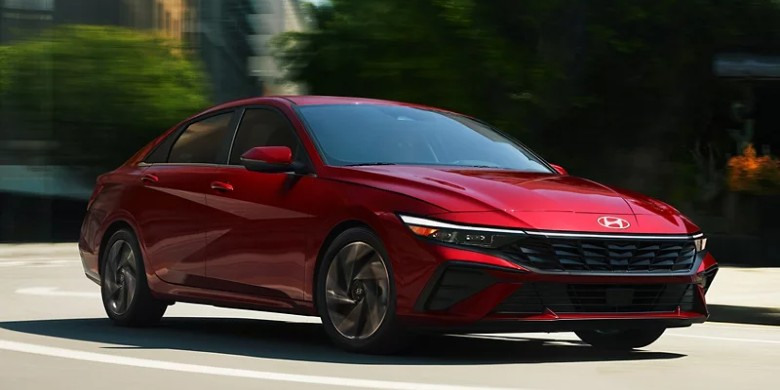
Real-world owner data backs this up. Reports from long-term Elantra owners frequently show 150,000 to 250,000 miles logged with only routine maintenance and the occasional repair. That’s competitive with — and often better than — many models in the compact sedan segment. Wisconsin winters add extra stress to any vehicle, from cold-start strain on the engine to road salt corrosion on the undercarriage — but Elantras handle it well when owners stay on top of service.
Reliability doesn’t happen by accident — it’s engineered in. The Elantra’s reputation comes from Hyundai’s commitment to quality control at every stage of development, from materials selection to final assembly testing.
So, “How many miles do Hyundai Elantras last compared to competitors?” Independent reliability studies consistently rank the Elantra near the top of the compact car class. J.D. Power and Consumer Reports have given the Elantra strong marks in recent model years for dependability — the kind of ratings that translate directly into low repair costs and predictable ownership. Hyundai backs this up with one of the best warranties in the segment: 5-year/60,000-mile new-vehicle coverage and a 10-year/100,000-mile powertrain warranty, which says something about how confident they are in the hardware.
Hyundai’s Smartstream engine technology, introduced in recent generations, has improved fuel efficiency and reduced internal friction — two factors directly linked to engine longevity. Fewer moving parts under stress means less wear over time. The Elantra also uses a multi-link rear suspension and front MacPherson strut setup that’s been refined for durability, not just ride comfort. These aren’t just marketing talking points — they’re engineering decisions with real consequences for how long the car holds up over the long haul.
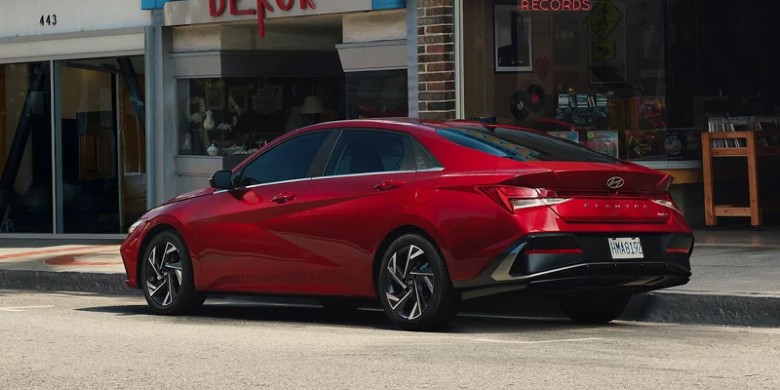
| Factor | Impact on Longevity | Example |
|---|---|---|
| Engine Design | Reduces internal wear over time | Smartstream engine with reduced friction components |
| Warranty Coverage | Protects against major repair costs | 10-year/100,000-mile powertrain warranty |
| Body Structure | Maintains structural integrity over the years | High-strength steel in key crash zones |
| Suspension System | Handles road stress without premature wear | Multi-link rear / MacPherson front setup |
| Quality Testing | Catches failures before they reach the customer | Hyundai global manufacturing QC standards |
Yes — and this is probably the most important thing on this whole page. No matter how well-engineered the Elantra is, skipping oil changes, ignoring warning lights, or putting off brake service will shorten any car’s lifespan.
The Elantra’s engine is designed to run clean, but it can’t do that without fresh oil. Hyundai recommends oil changes every 5,000–7,500 miles, depending on driving conditions and oil type. Letting that slip past 10,000 or 12,000 miles — especially in cold Wisconsin winters where oil thickens, and engines work harder — puts unnecessary strain on internal components. Coolant flushes, transmission fluid changes, brake fluid checks, and spark plug replacements all follow a similar logic: stay on schedule, and the car rewards you. Fall behind and the costs compound.
Engineering sets the ceiling. Driving habits determine whether you hit it. Two owners can buy the same Elantra in the same year and end up with very different outcomes at 150,000 miles — and the difference often comes down to how they drove it.
Hard acceleration from a stop, frequent highway speeds above 80 mph, and aggressive braking all accelerate component wear. The brakes and tires take the most obvious hit, but the engine and transmission also absorb strain. In Wisconsin, cold-weather starts matter: letting the engine warm up for 30–60 seconds before driving off in January is a small habit that makes a real difference in engine wear over time.
City driving — lots of short trips, stop-and-go traffic — is actually harder on an engine than highway miles, because the engine never fully reaches operating temperature on short jaunts. That means oil doesn’t circulate properly, and moisture can build up inside the engine. If most of your driving is around Oconomowoc and the surrounding area, consider a slightly more frequent oil change schedule and let the car run a few minutes before turning it off on especially short trips.
The Elantra earns its reputation the honest way — through solid engineering, continuous improvement, and a design philosophy built around real-world durability. Answering, “How long do Elantras last?” isn’t just about a mileage number. It’s about knowing that Hyundai built something worth taking care of — and that with routine service and reasonable driving habits, 200,000 miles is an achievable, realistic goal for most owners.
Whether you’re buying new, considering a used Elantra, or looking to get the most out of the one already in your driveway, the team at Hyundai Lake Country in Oconomowoc, WI, is here to help. We know these cars, and we want to make sure yours goes the distance.
If your Elantra is due for an oil change, tire rotation, or any other routine service, scheduling with our team at Hyundai Lake Country is a straightforward way to protect that investment. And if you’re in the market for a new or pre-owned Elantra, stop by and see what’s in stock — we’d love to walk you through your options.
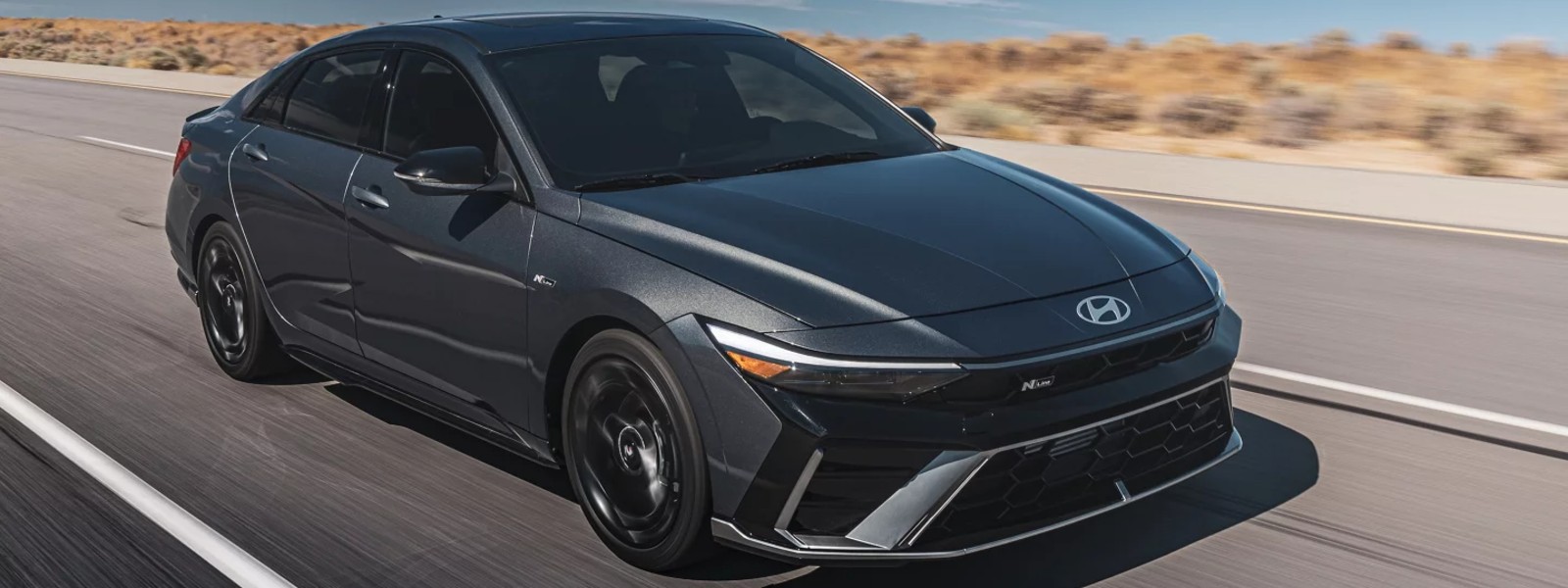
With consistent maintenance, most Hyundai Elantras can reach 200,000 miles or beyond. Some well-cared-for examples have been documented past 250,000 miles.
Yes. The Elantra consistently ranks well in independent reliability studies and comes backed by one of the strongest warranties in the compact car segment — 5-year/60,000-mile basic and 10-year/100,000-mile powertrain coverage.
Regular oil changes are the most critical item. Beyond that, staying current with brake inspections, tire rotations, coolant flushes, and spark plug replacements contributes meaningfully to long-term reliability.
Cold-weather starts, and road salt exposure adds wear over time, but the Elantra handles Wisconsin winters well. Letting the engine warm up briefly before driving and washing the undercarriage regularly during the winter months helps offset those conditions.
It can be — especially if maintenance records are available and the car has been regularly serviced. An Elantra with 100,000 miles and a clean service history is often a better buy than a lower-mileage car with no documentation.
Absolutely. Smooth acceleration, moderate speeds, and avoiding hard braking all reduce component wear. City drivers doing lots of short trips may want to change their oil more frequently to account for the extra engine stress.



